www.copernican.solutions

  • Home
  • About
  • Careers
  • Staff
    • David A. Perna, PhD
    • Andrea Brooks, PsyD
    • Suzanne Brooks, PsyD & NCSP
    • Kat Canas, MA
    • Hannah Clark, PsyD
    • Molly Curcio, PsyD
    • Nathan Dworkin, MA
    • Jennifer Havard
    • Leigha Kerwin, PsyD
    • Leslie Kornbluth, LICSW
    • Valerie Lapinid
    • Allison Lawsky, PsyD
    • Ian Ljutich, MSW, PsyD
    • Natasha Meehan, MA
    • Alexa Myta, PsyD
    • Jenifer Nesin
    • Sam Nesin-Perna, MS
    • Sherry Paden, PsyD
    • Jennifer Ross Callahan, PsyD
    • Michal Shapiro, LICSW
    • Mya Stafford, MA
    • Rory Sullivan, MA
    • Hail VanAelstyn
    • Parker Zyndorf, PsyD
  • Services
    • Clinical Services
    • Clinical Tutoring
  • College Transition Program
  • Adolescent DBT Program
  • Groups
  • MMT Approach
  • Training
  • Our Posts
  • Payment
    • In-Network Insurance
    • Out-of-Network Insurance
    • Insurance-Frequently Asked Questions
    • Insurance-Single Case Agreements (SCA's)
    • Insurance-Good Faith Estimates (GFE's)
  • Emergencies
  • Contact Us
  • Home
  • About
  • Careers
  • Staff
    • David A. Perna, PhD
    • Andrea Brooks, PsyD
    • Suzanne Brooks, PsyD & NCSP
    • Kat Canas, MA
    • Hannah Clark, PsyD
    • Molly Curcio, PsyD
    • Nathan Dworkin, MA
    • Jennifer Havard
    • Leigha Kerwin, PsyD
    • Leslie Kornbluth, LICSW
    • Valerie Lapinid
    • Allison Lawsky, PsyD
    • Ian Ljutich, MSW, PsyD
    • Natasha Meehan, MA
    • Alexa Myta, PsyD
    • Jenifer Nesin
    • Sam Nesin-Perna, MS
    • Sherry Paden, PsyD
    • Jennifer Ross Callahan, PsyD
    • Michal Shapiro, LICSW
    • Mya Stafford, MA
    • Rory Sullivan, MA
    • Hail VanAelstyn
    • Parker Zyndorf, PsyD
  • Services
    • Clinical Services
    • Clinical Tutoring
  • College Transition Program
  • Adolescent DBT Program
  • Groups
  • MMT Approach
  • Training
  • Our Posts
  • Payment
    • In-Network Insurance
    • Out-of-Network Insurance
    • Insurance-Frequently Asked Questions
    • Insurance-Single Case Agreements (SCA's)
    • Insurance-Good Faith Estimates (GFE's)
  • Emergencies
  • Contact Us

Anger and The Monster Within Us

3/17/2016

1 Comment

 
Picture

David A. Perna, PhD 
Licensed Psychologist
Lecturer in Psychiatry
Harvard Medical School

View my profile on LinkedIn
Picture


“And if thou gaze long into an abyss, the abyss will also gaze into thee”
​-Nietzsche

For those who are interested in working with angry patients the journey is fascinating. However, from a countertransference perspective one needs to be cautious and should follow the advice that Nietzsche offers in Beyond Good and Evil:

“He who fights with monsters should be careful lest he thereby become a monster”

“And if thou gaze long into an abyss, the abyss will also gaze into thee”
​

Let me be clear, the monster is not the patient, it is the anger and rage that he or she harbors. In his comments Nietzsche is referring to the extent that one can become tainted and reactive when interacting with such challenging behaviors over time. It is often all to easy to focus on the client’s overreactions and extreme rages and lose sight of the clinician's own clinical shortcomings and tendencies to be blind to his/her own hurtful behavior and countertransference blindspots.

Picture
Arc de Triomphe interior,
​statue- “La Marseillaise”
Credit: David A. Perna (2014)
In working with angry patients one is constantly challenged to address one’s own temper and tendency to lash out in a sadistic/hurtful manner. Boundaries that seem to be so clear when one is in training under clinical supervision can at times become blurred later in a clinician's career during an intense treatment experience. The risk is the likelihood that the clinician can start to treat the patient with the same sense of  venom and distrust that the patient experiences in his/her daily interactions. This is the slippery slope that prompts one to lose clinical perspective as the abyss grabs a hold and pulls the clinician downward..

One of Marsha Linehan's greatest contributions to the field of contemporary  psychology has been her ability humanize the the treatment of patients diagnosed with Borderline Personality Disorder. This population has always been identified by treaters and members of the general population as angry and furious. Prior treatment approaches encouraged sadistic reactions to borderline patients who struggled with mood regulation skill challenges, rage, and a long history of interpersonal instability with significant others.

Linehan's "Eastern Philosophical" approach to treatment posited that the therapist was at fault if the patient did not progress, thereby prompting the therapist to think of ways to change his/her approach rather than simply rebuking the patient as being lazy or slothful. This humanistic approach ushered in a much healthier era in treating Borderline patients by helping them develop skills in an incremental manner that is at times slow, and yet with time-steady and incrementally effective.

So in following
Nietzsche's lead, the clinician should always question him/herself when the interaction with the patient becomes intense. Anger and rage focused back towards the patient and family should always be considered as unhealthy and connected to the pull of the abyss. There have been so many clinicians who have rationalized these hurtful approaches as appropriate and needed in light of the patients acting out, but the truth is that they represent an unhealthy countertransference response to a vulnerable group of patients.

1 Comment

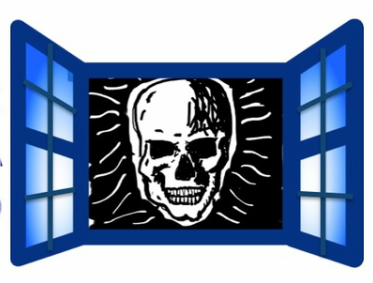
Today's Social Media: Windows into a Violent World

6/5/2015

1 Comment

 
Picture

David A. Perna, PhD
Licensed Psychologist
Lecturer in Psychiatry
Harvard Medical School 

View my profile on LinkedIn
Picture

Picture

"Parents Should Use Their Values to Guide Their Parenting"

Parents, educators and fellow clinicians have asked me the same question:
"What impact does violent social media have upon my child/student/patient?"
​

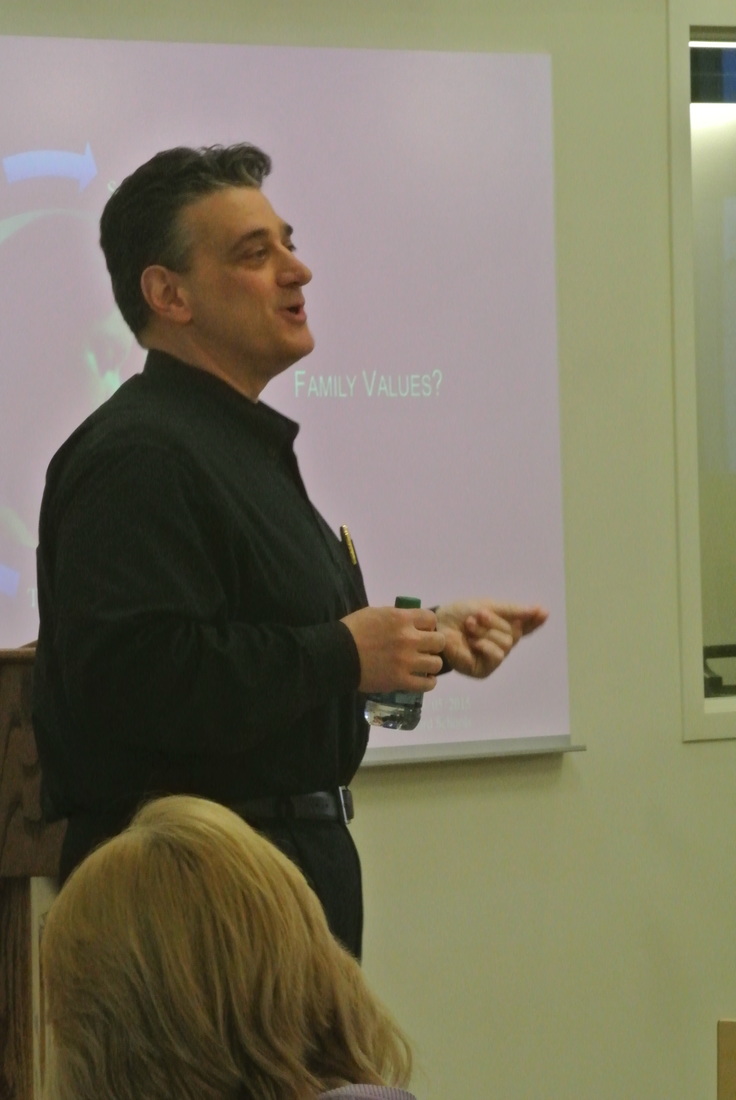
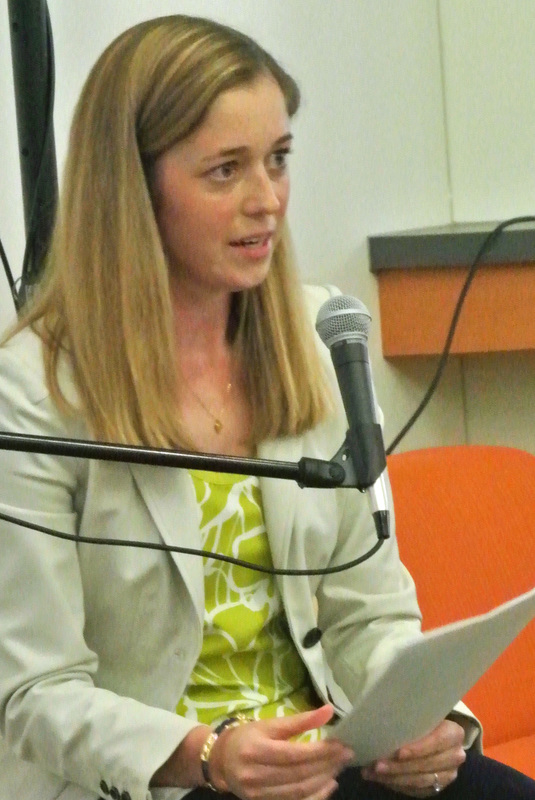
I recently had the opportunity to address this topic along with my colleague Liz Barcewicz, PsyD. We were asked by Court Booth, Director of Community Education in Concord-Carlise (He is also a LinkedIn Member), to speak about the impact of violent social media on our youth. We had the added pleasure of presenting at Concord-Carlisle's new high-tech high school. The school was only seven days old when we walked into the new multi-media center. 
Our primary talking points were as follows:
  • Engagement Rather Than Containment: The Internet is here to stay. Parents must learn how to engage their children in discussions about all forms of cyber-media rather than simply focusing on containing/limiting their access.
  • Values: Parents should use their values as a frame of reference or “pathway” that will help guide their kids as they confront these issues. Although it is not readily apparent, kids feel safer when such values are clearly articulated by their parents. Values serve as a filter that can be used to understand and process the wide breadth of information that is available on the Internet. Parents were surprised to learn that research into family values shows that many kids gradually adopt their parent’s values as they mature (Knafo, 2004). 

Picture

"Help younger children by placing upsetting news stories into a larger context"

Picture


​“Note your child’s temperament and adjust media exposure to suit his/her needs”

​
  • Passive vs. Interactive Media: Parents were informed that prior research on the topic of passive media does not readily apply to the internet/social media, given that the latter involves interaction, choice, and active decision-making.
  • Who Can They Trust? We reviewed how much of the recent research on interactive media use is plagued by poor definitions of cyber behavior (Patton, 2014) and in many ways is riddled with researcher bias (Ferguson, 2013).
  • Developmental Approach: Parents were informed about how to discuss these issues with younger children versus adolescents.​
  • Younger Children: Younger children require more supervision/monitoring and need more help in being able to identify their feelings. At times they also need help in distancing themselves from imagery/thoughts that are disturbing. Dr. Barcewicz discussed how to use Mindfulness Techniques, such as comforting images (thoughts of leaves floating down a river or clouds floating through the sky) to help kids clear their thoughts. She also mentioned how helping children shift to different activities, particularly physically engaging activities can have a positive impact on mood (Siegal & Bryson, 2011). One of the most comprehensive summaries of how terror/violent media impacts younger children was summarized on the National Association of School Psychologist’s website in 2002, following the World Trade Center terrorist attacks. Both Dr. Barcewicz and I found it to be the most comprehensive listing of information on this topic and we highly recommend it to parents and professionals (http://www.nasponline.org/resources/crisis_safety/children_war_general.aspx)

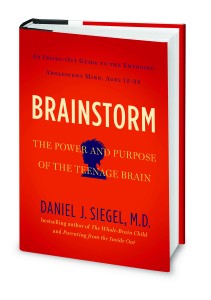
  • Older Children: Older children need to feel that their parents listen to them and respect their opinions. Dr. Barcewicz talked about the biological underpinnings of adolescent brains and their need for high stimulation/ excitement. She cited recent research and a helpful book on the topic, "Brainstorm," by Daniel Siegel (Siegel, 2014).
  • Talking to Adolescents: I covered how parents could discuss the recent series of civil rights violations and civil unrest that has arisen in many US cities with their adolescents. I emphasized how to connect emotion with thought by talking with adolescents about a recent NY Times article that discussed the relationship between “Missing Black Men” in US cities and the subsequent likelihood of racial unrest (Wolfer, 2015). Parents found this example helpful since it provided them with a practical way  to connect their values with their child’s media experience.


​
“Teach your kids how to take responsibility for their down-time and boredom”

​
  • Boredom Management: At the end of the presentation, I reviewed how adolescents need to learn how to manage “down-time” when they are not exposed to social media. We also talked about how parents can guide them in  structuring their own time in order to decrease boredom. Parents learned that they need to encourage their kids to take responsibility for their boredom rather than asking others to manage it for them.

References:

  • ​Alia-Klein, N. et al. (2014). Reactions to media violence: It’s in the brain of the beholder. Viewing Media Violence, 9, 1-10.
  • Becker-Blease, K.A., Finkelhor, D., & Turner, H. (2008). Media exposure predicts children’s reactions to crime and terrorism. Journal of Trauma and Dissociation, 9, 225-248.
  • Brown, K.D. & Hamilton-Giachritsis, C. (2005). The influence of violent media on children and adolescents: A public health approach. www.thelancet.com, 365, 702-710.
  • Ferguson, C.J. (2013). Violent video games and the supreme court. American Psychologist, 68, 57-74.
  • Ito, M. et al., Living and learning with new media: Summary of findings from the digital youth project. (2009). Cambridge, MA: MIT Press.
  • Knafo, A., & Schwartz, S. (2004). Identity formation and parent-child value congruence in adolescence. British Journal of Developmental Psychology, 22, 439-458.
  • O’Keeffe, G.S., Clarke-Pearson, K., & Council on Communications and Media (2011). Clinical report-The impact of social media on children, adolescents, and families. American Academy of Pediatrics, 127, 800-804.
  • National Association of School Psychologists (2002),Children and Fear of War and Terrorism. Retrieved from http://www.nasponline.org/resources/crisis_safety/children_war_general.aspx.
  • Patton, D.U. et al. (2014). Social media as a vector for youth violence: A review of the literature. Computers in Human Behavior, 25, 548-553.
  • Siegel, D. & Bryson, T. (2011). The whole-brain child: 12 revolutionary strategies to nurture your child’s developing brain. New York: Delacorte Press.
  • Siegel, D. (2014). Brainstorm. Brunswick: Scribe Publications.
  • Wolfers, J., Leonhardt, D., Quealy, K., (2015, April 20). 1.5 Million Missing Black Men. The New York Times Retrieved from http://www.nytimes.com/interactive/2015/04/20/upshot/missing-black-men.html?abt=0002&abg=1.

1 Comment
Forward>>
Picture

Copernican Clinical Services:
"We Help People Change"

Children/Adolescents/​Adults/ Families

Reach Out To Us At:
Ph: 617-244-2700
Fx: 617-244-2774

E-mail: [email protected]

CCS Privacy Policy (Click Here)
​
​© COPYRIGHT 2020 ALL RIGHTS RESERVED COPERNICAN CLINICAL SERVICES, A SUBSIDIARY OF COPERNICAN BUSINESS SOLUTIONS, INC .

Newton Location:
44 Thornton Street,
Newton, MA 02458
​Lexington - Liberties Office Park:
35 Bedford Street
Suite #8: First Floor
Courtyard Entrance
​Lexington, MA 02420
​Lexington - Harrington Park:
394 Lowell Street
Suite #6, Lexington,
​MA 02420